
With the start of 2026, important changes are coming for companies that post employees abroad—changes that can significantly impact payroll budgets. If you operate in Germany, Austria, or Switzerland, this overview is for you. Higher minimum employee entitlements mean a direct increase in your operating costs.
Germany: Increase of more than 8%
In Germany, the statutory general minimum wage increased noticeably as of 1 January 2026. It rose from €12.82 to €13.90 per hour. This rate is not only relevant for general activities, but also applies to the construction sector and to work covered by the German construction holiday fund (SOKA-BAU).
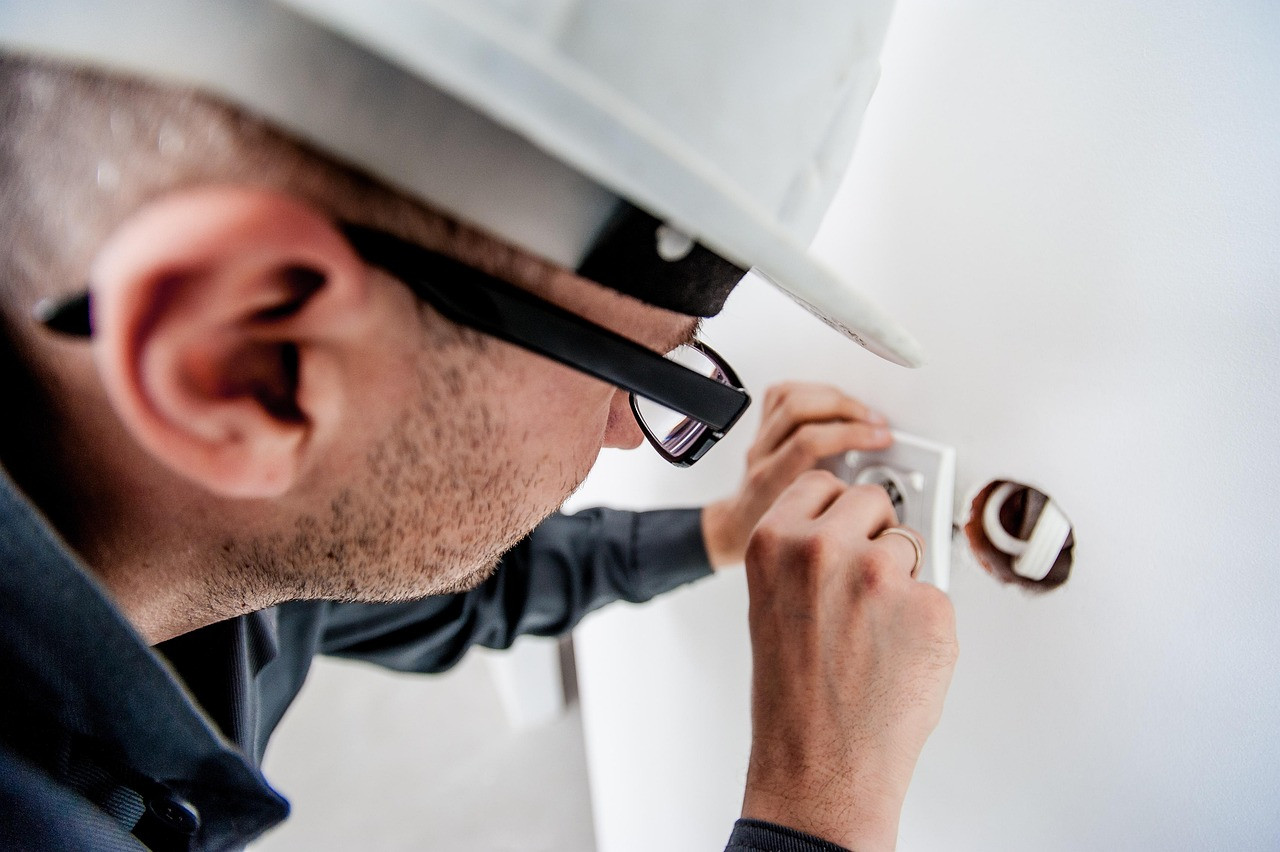
However, pay close attention to specific skilled professions where collectively agreed (tariff) wages are traditionally higher. For example, in the electrical trade, the minimum hourly wage increased to €14.93, and for scaffolders to €14.35.
Austria: Higher wages in the metalworking industry
The situation is more complex in Austria, where there is no uniform statutory minimum wage. Remuneration is determined by collective agreements, which differ by sector and region.
From January 2026, wages were increased again in sectors such as the metalworking industry—relevant for a large proportion of posted technical workers.
Switzerland: Wages are also determined by cantons
Switzerland also does not have a generally binding nationwide minimum wage. Here, too, it is essential to monitor wage levels in the relevant collective agreements applicable to a particular industry and canton. With the start of the new year, for example, minimum wages increased in the cantons of Geneva, Jura, and Neuchâtel, as well as in sectors such as gastronomy and hospitality. As this is a complex topic, we will be happy to provide advice tailored to your specific case.
Keep an eye on rules and sanctions
Compliance with minimum wage rules is not just a formality. German customs authorities and Austrian supervisory bodies are carrying out increasingly intensive on-site inspections at construction sites and workplaces. They focus not only on pay levels, but also on working time records and the availability of payroll documentation in German. Non-compliance can result in fines of up to €500,000 and exclusion from future contracts.
If you want to avoid sanctions and be confident that your cross-border operations are fully compliant, ProfiDeCon is here to help. We are experts in German and Austrian legislation and can support you throughout the entire process.